Swiss Meringue That Stuns Your Guests!
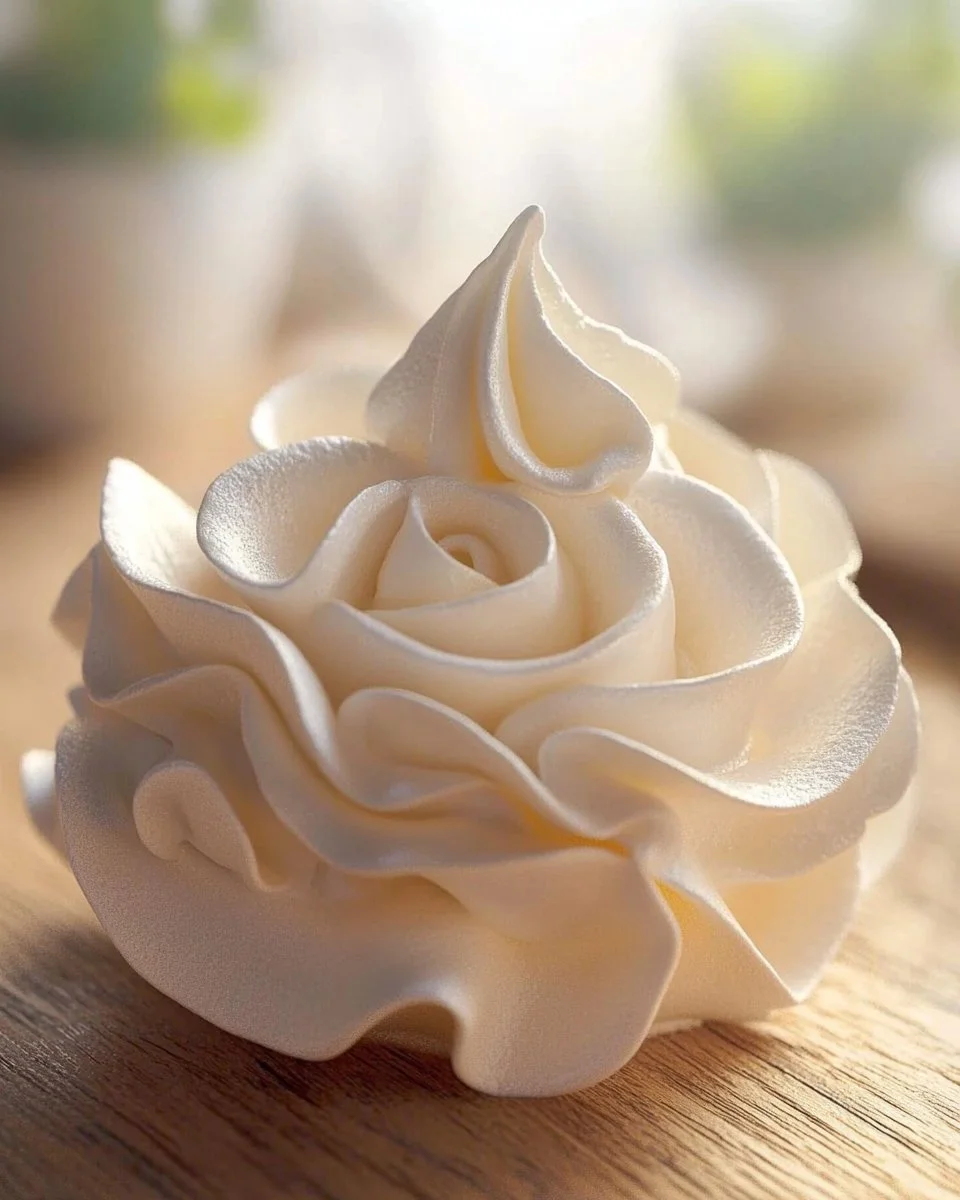
When it comes to creating something truly spectacular for your gatherings, Swiss Meringue steals the spotlight with its glossy peaks and airy texture. This luscious recipe is a step-by-step guide to achieving that delightful consistency that melts in your mouth and leaves friends and family in awe. Imagine the aroma of warm, sweet egg whites filling your kitchen as you effortlessly whip them into a cloud-like delight. Your guests will be stunned as you serve them decadent desserts topped with this ethereal meringue, captivating their senses from the first bite.
History / Fun Fact
Swiss Meringue has a rich history that intertwines with European culinary traditions. Historically, this method of creating meringue is said to have originated from Switzerland, way back in the 19th century. What distinguishes Swiss Meringue from other types is its unique preparation method, wherein the egg whites are gently warmed with sugar over a bain-marie. This technique not only allows the sugar to dissolve completely but also stabilizes the egg whites, making them easier to beat into those beautiful stiff peaks. Many pastry chefs favor Swiss Meringue for its silky texture and the way it can elevate desserts like pavlovas, tarts, and even just as a delightful topping for fresh fruits.
Ingredients
- 4 large egg whites: These delicate whites add a tender yet airy texture, ready to transform into something sublime.
- 1 cup granulated sugar: Fine and sparkling, the sugar sweetens the meringue while promoting a glossy finish.
- 1/4 teaspoon cream of tartar: This magical ingredient stabilizes the mixture, ensuring that your peaks stand tall and proud, resisting the temptation to collapse.
These simple yet fundamental ingredients harmonize together to create a treat that is not only visually stunning but also pleasurable on the palate—everything you need for an impressive dessert.
Cooking Time & Tips For Swiss Meringue
Creating Swiss Meringue can be achieved through two primary methods: the quick preparation for novice bakers or the slow and steady approach, preferred by seasoned chefs. The quick method can take as few as 10 to 15 minutes, while the slow approach rewards you with added finesse and control, taking around 20 to 30 minutes. Regardless of the method, precise measurements and patience are keys to success.
Here are some practical tips: ensure your bowl and whisk are entirely clean and free from any grease, as even a tiny amount can prevent your egg whites from whipping properly. For the best flavor and texture, use room-temperature eggs and avoid any overbeating, which can lead to dryness.
Step-by-Step Directions
-
Prepare the Double Boiler: Start by setting up your heatproof bowl over a pot of gently simmering water. This “bain-marie” setup will create a warm environment perfect for dissolving the sugar.
-
Combine Ingredients: In the heatproof bowl, add your 4 large egg whites and 1 cup of granulated sugar. Stir gently to combine—feel the textures mingle as you prepare for magic.
-
Heat and Whisk: Continuously whisk the mixture as it heats. You’ll know it’s ready when the sugar is completely dissolved and the mixture reaches a cozy 160°F (70°C). The warmth transforms the ingredients into a silky, fragrant blend.
-
Beat the Mixture: Carefully remove the bowl from heat and sprinkle in 1/4 teaspoon of cream of tartar. Now, let the electric mixer take over! Beat the mixture on high speed until it forms glossy, stiff peaks that hold their shape beautifully. It’s like watching clouds morph into a sweet mountain range.
-
Serve or Store: Use your Swiss Meringue immediately to top your favorite desserts, or store it in an airtight container for up to a week. The anticipation of your guests’ delighted expressions fuels the excitement!
Serving Suggestions & Occasions
Swiss Meringue is incredibly versatile, making it a perfect companion for countless desserts. Picture it gracefully piped onto a rich chocolate tart or swirled atop lemon curd filling in a tart. It can also be used as a fluffy topping for Pavlova, or simply dolloped over fresh berries for a stunning yet simple presentation. Serve it at birthday parties, tea gatherings, or simply to treat yourself after a long day—every bite will bring joy and delight!
Common Mistakes For Swiss Meringue
-
Not Cleaning Your Tools: Any grease or remnants of egg yolks can lead to failure in whisking the egg whites. Make sure everything, especially your mixer’s bowl and whisk, is immaculate.
-
Rushing the Process: Whisk at a steady pace; too quick can lead to overbeating, causing the meringue to become dry and crumbly rather than light and fluffy.
-
Skipping the Temperature Check: The importance of heating your egg whites and sugar cannot be understated. This step is essential for achieving that perfect silky meringue.
-
Incomplete Sugar Dissolution: Failure to whisk long enough to dissolve the sugar will lead to a gritty texture in the final product. Take your time to ensure smoothness.
Healthier Alternatives & Variations
Looking for healthier alternatives or ways to put a twist on your Swiss Meringue? You can use alternative sweeteners like coconut sugar or monk fruit sweetener to reduce the sugar content. If you wish to add some flavor, consider infusing your meringue by folding in a tablespoon of flavored extracts (like vanilla or almond) or even citrus zest for a refreshing touch.
For a colorful spin, add a few drops of food coloring while whipping to create beautifully swirled meringue. The possibilities are endless, and experimenting with flavors can yield wonderful surprises!
FAQs
1. Can I make Swiss Meringue without a mixer?
Yes, while it may be more labor-intensive, you can whisk by hand. Just be prepared for a workout!
2. How can I tell if my meringue is done?
Look for glossy, stiff peaks that hold their shape when you lift the whisk out of the mixture.
3. Can I use old egg whites for meringue?
Ideal egg whites are fresh, but older whites can also be whipped to a stable meringue; just ensure they’re free of yolks.
4. What is the difference between Swiss and French Meringue?
Swiss Meringue is cooked and often considered more stable, while French Meringue is raw and whipped without heat.
5. How should I store leftover Swiss Meringue?
Store in an airtight container at room temperature for up to a week or freeze for longer storage, but be mindful of potential texture changes.
6. Can Swiss Meringue be colored?
Absolutely! A few drops of gel food coloring stirred in can create beautiful, colorful meringue.
Conclusion
Now that you’ve read through the essence of Swiss Meringue, I invite you to unleash that culinary genius within you! The next time you’re in the kitchen, why not try this step-by-step guide that promises to yield stunning results? Each silky bite of meringue crafted with your own hands will surely transport you and your guests to dessert bliss. Channel those passionate cooking vibes and make Swiss Meringue that stuns and delights!