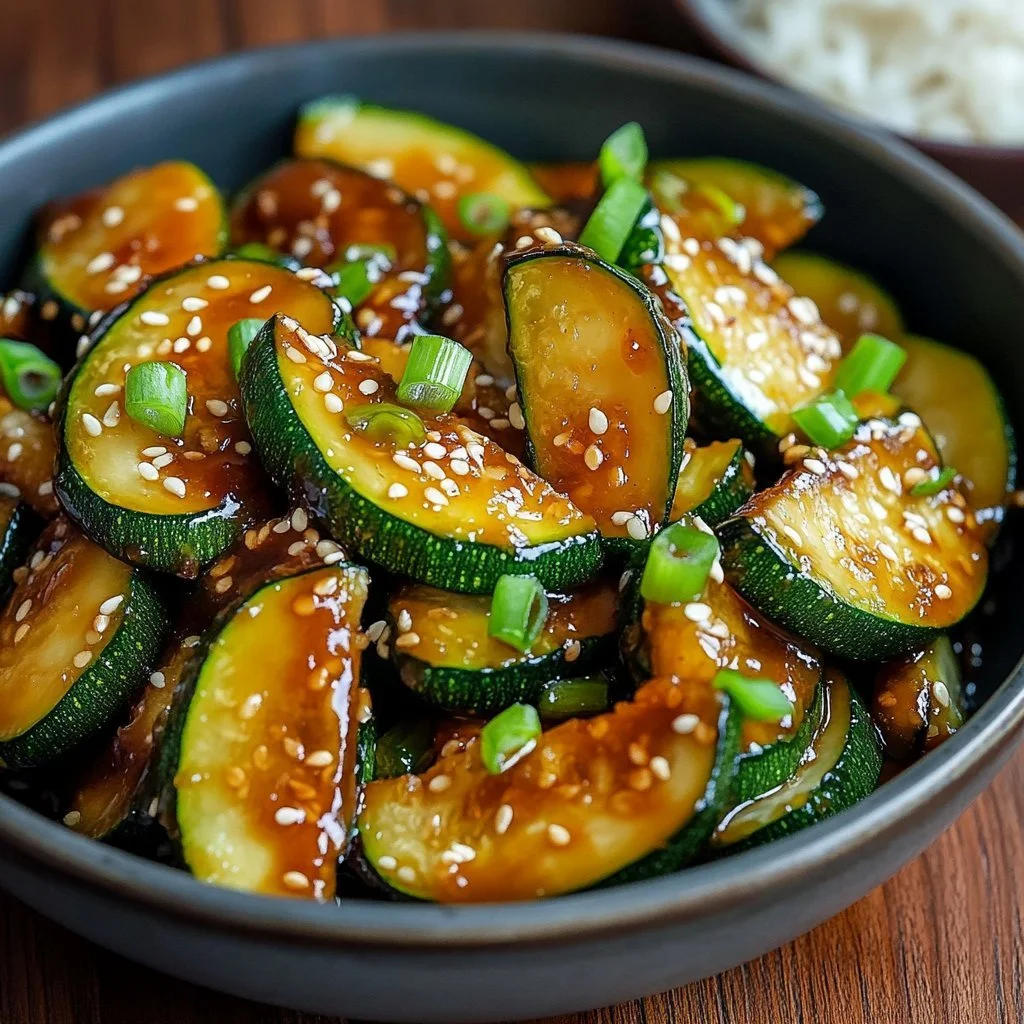
Hibachi Zucchini
Experience the delightful flavors of Hibachi Zucchini, a dish that brings the teppanyaki grill right to your kitchen! This vibrant recipe encapsulates the essence of simple ingredients transforming into a rich, aromatic dish that tantalizes the taste buds. In this step-by-step guide, you will enjoy the crunch of fresh zucchini paired with the warm, buttery undertones of sautéed onions, garlic, and ginger. Each bite resonates with the charm of a hibachi experience, making it perfect for weeknight dinners or special gatherings.
History / Fun Fact
Hibachi, which means "fire bowl" in Japanese, is known for its traditional cooking style involving grilling over an open flame. While many associate hibachi cooking with mouth-watering meats, vegetables have always played a significant role in this culinary technique. Zucchini, a staple in many summer gardens, is perfectly suited for the hibachi grilling method, highlighting not only its natural flavors but also its crisp texture. This dish captures the smoky essence of grill cooking while offering a refreshing taste that celebrates the beauty of vegetables. Incorporating this dish into your meal repertoire not only honors the rich history of hibachi cooking but also puts a spotlight on seasonal produce.
Ingredients
For this vibrant Hibachi Zucchini, you will need:
- 2 large zucchini (green or yellow): Fresh, tender, and bursting with flavor, these zucchini are the stars of the dish.
- 1 tablespoon neutral oil (vegetable or canola): Provides a light base for sautéing while letting the flavors shine.
- 2 tablespoons butter: Adds a rich and creamy texture, making the dish indulgent yet balanced.
- 1 cup sliced onions: Sweet and aromatic, these soften beautifully, enhancing the overall flavor.
- 1 teaspoon fresh minced ginger: Adds a spicy warmth that elevates the entire dish.
- 1 teaspoon fresh minced garlic: Infuses a fragrant, savory note that pairs perfectly with the zucchini.
- 2 teaspoons soy sauce (or tamari for gluten-free): Offers a delicious umami kick that is both salty and savory.
- ¼ teaspoon salt: A small yet essential element to enhance the dish’s overall flavor.
- ¼ teaspoon black pepper: Adds a subtle earthy heat.
- Chopped scallion greens: Fresh and vibrant, providing a pop of color and fresh flavor.
- Toasted sesame seeds: These introduce a nutty crunch that complements the dish perfectly.
Each of these ingredients plays a pivotal role in crafting a dish that is not just satisfying to eat, but also a delight to prepare.
Cooking Time & Tips for Hibachi Zucchini
Cooking Hibachi Zucchini can be a quick endeavor, taking about 15-20 minutes. The difference between quick and slow preparation often lies in the freshness and quality of your ingredients. Using freshly picked zucchini and aromatic spices can transform this dish into a gourmet experience in no time. As with any recipe, preparation is key; ensuring your ingredients are prepped and ready before you start cooking not only makes for a smoother process but also enhances the final result.
Practical Tips for Success:
- Choose zucchini that feels firm to the touch with bright, glossy skin for the best flavor.
- Don’t overcrowd the skillet, as this can cause the vegetables to steam rather than fry, losing that desired crispness.
- Feel free to adjust the soy sauce to suit your taste; a little extra can amplify the umami flavor.
- For a spice kick, consider adding red pepper flakes or a dash of sesame oil for extra depth.
Step-by-Step Directions
-
Prepare your working space: Gather all your ingredients, ensuring you have a clean countertop. Begin by chopping the zucchini into ½-inch half-moons for uniform cooking, and slice the onions into thin pieces. Mince the garlic and ginger finely, allowing their flavors to permeate the dish.
-
Heat a large skillet over medium-high heat: Allow your skillet to become hot, which is key for achieving that desirable sear on your vegetables.
-
Add the neutral oil: Once the skillet is sizzling, pour in the tablespoon of neutral oil and let it heat for a moment.
-
Toss in the sliced onions: Begin with the onions, stirring them occasionally for 2-3 minutes until they turn a golden brown—this caramelization enhances their sweetness.
-
Add the garlic and ginger: Introducing these aromatic ingredients will fill your kitchen with wonderful fragrances. Stir and cook for about a minute until they become fragrant.
-
Add the zucchini: Toss in the chopped zucchini, seasoning with salt and pepper. Cook for about 5-7 minutes, allowing the zucchini to become tender while still retaining that delightful crunch.
-
Pour soy sauce over the mix: This adds a depth of flavor. Continue cooking for an additional minute, allowing the soy sauce to coat the vegetables.
-
Remove from heat: Take the skillet off the heat and stir in the butter, watching it melt into the warm vegetables.
-
Serve warm: Plate your Hibachi Zucchini, garnishing it with freshly chopped scallions and toasted sesame seeds. This not only adds visual appeal but also a textural contrast to each bite.
Serving Suggestions & Occasions
Hibachi Zucchini is incredibly versatile and pairs wonderfully with a variety of main dishes. It complements grilled meats, seafood, or can be served over steamed rice for a satisfying vegetarian meal. This dish shines at summer barbecues, family gatherings, or as a quick weeknight dinner. Its colorful presentation makes it a standout side, sure to delight both friends and family.
Common Mistakes for Hibachi Zucchini
One of the common pitfalls when preparing Hibachi Zucchini is overcrowding the skillet. This can lead to steaming rather than sautéing, causing the vegetables to lose their desired crunch. Another mistake is not preparing all your ingredients beforehand. Sautéing is a fast-paced process that benefits greatly from having everything ready to go. Finally, using old or wilted zucchini can result in a soggy dish—always opt for fresh, vibrant vegetables for the best outcome.
Healthier Alternatives & Variations
For those looking for healthier alternatives, consider replacing butter with olive oil or avocado oil, which will add a different flavor profile while keeping it light. You can also switch up the vegetables; bell peppers, mushrooms, or even asparagus can provide variations that still honor the essence of hibachi cooking. For a heartier version, feel free to add cooked chicken or tofu for plant-based protein.
FAQs
-
Can I use other vegetables?
Absolutely! Bell peppers, mushrooms, and eggplant also work wonderfully in this recipe. -
Is this dish gluten-free?
Yes, simply substitute soy sauce with tamari, which is gluten-free. -
Can I prepare this in advance?
While it’s best enjoyed fresh, you can prep the veggies ahead of time and stir-fry right before serving. -
How do I store leftovers?
Store in an airtight container in the refrigerator for up to 3 days. Reheat in a skillet to maintain texture. -
What can I serve with Hibachi Zucchini?
It pairs excellently with grilled meats, over rice, or even mixed into a refreshing salad. -
Is it suitable for meal prep?
Yes! This dish can be easily made in larger batches for quick meals throughout the week.
Conclusion
Don’t let the simplicity of Hibachi Zucchini fool you; it’s a dish that promises rich flavors and satisfying textures that can elevate any meal. In just a few easy steps, you’ll have a plate full of vibrant, aromatic goodness that’s sure to impress. Try your hand at this delightful recipe today and experience the magic of hibachi cooking right in your kitchen!