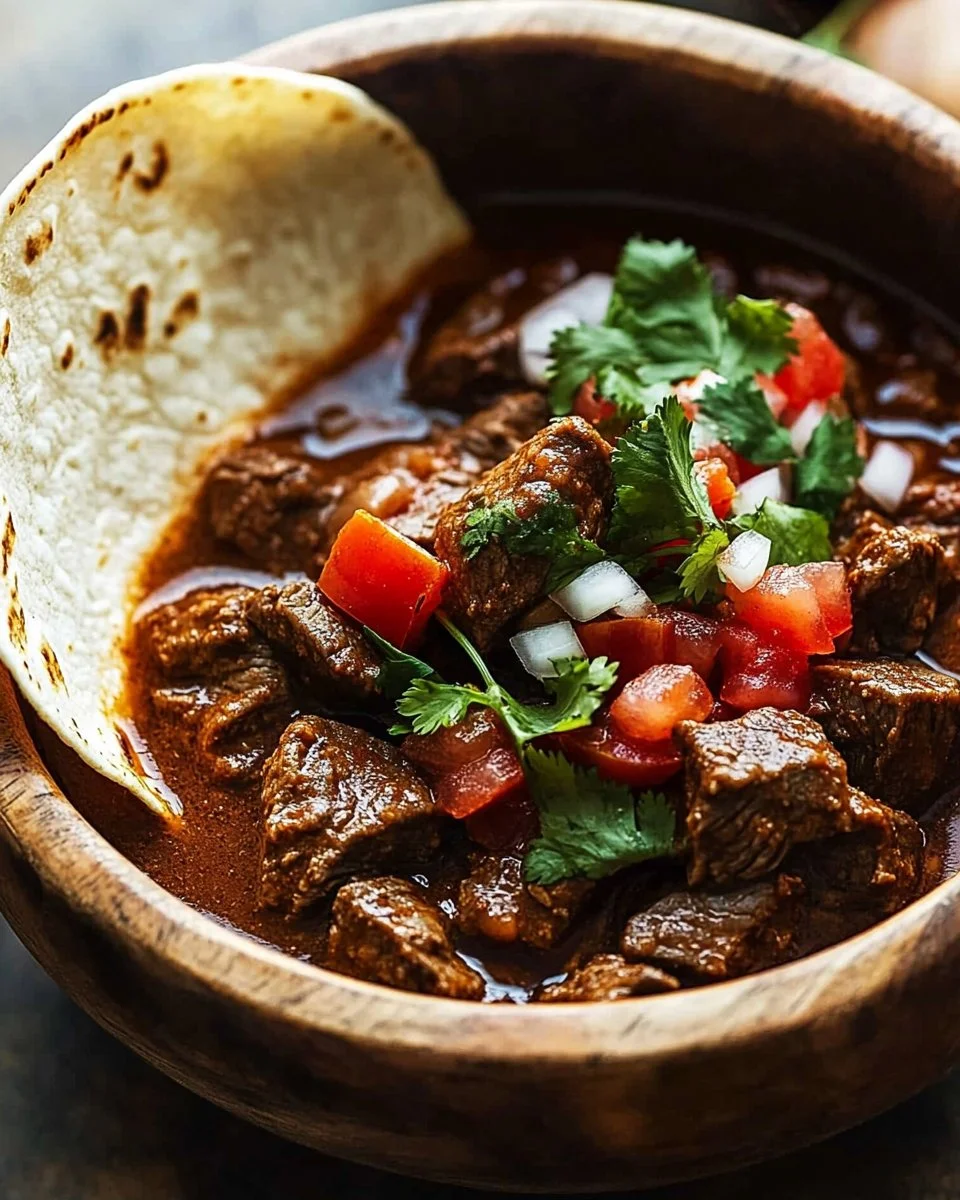
Beef Stew
The rich and aromatic scent of beef stew wafts through the kitchen, filling the air with a promise of warmth and comfort. This recipe beckons you with its savory allure, offering a step-by-step guide to crafting a dish that’s both heartwarming and full of flavor. With tender chunks of beef simmered to perfection alongside vibrant vegetables, every bite becomes a comforting embrace on a chilly evening. Whether served over fluffy rice or with a crusty piece of bread, this dish satisfies both the stomach and the soul.
History / Fun Fact
Beef stew’s roots can be traced back to ancient cultures who utilized available ingredients to create hearty meals for their families. A famous version dates back to the 18th century in France, where slow-cooked deliciousness became a staple in rustic homes. It was considered the meal of the common folk, who would use odds and ends of meat and vegetables to create a robust dish that could feed a crowd. Today, beef stew remains a beloved comfort food around the world, with every culture putting its unique spin on the classic preparation. In some regions, it’s served with dumplings, while others prefer it simply with bread. This versatility is what makes beef stew a cherished dish across various cultures.
Ingredients
-
Sirloin Steak (2 pounds): Diced into 1-inch cubes, this cut is juicy and flavorful, producing succulent pieces of meat that melt in your mouth.
-
Kosher Salt (1½ teaspoons): A key seasoning that enhances the beef’s natural flavors, ensuring every bite is brimming with taste.
-
Ground Cumin (1 teaspoon): Adds a warm, earthy aroma that complements the hearty profile of the stew.
-
Mexican Oregano (½ teaspoon): Subtle and fragrant, it introduces a hint of floral spice, lifting the richness to new heights.
-
Black Pepper (½ teaspoon): Freshly ground, it delivers a gentle kick that balances the dish.
-
Beef Broth (2 cups, divided): This vital ingredient creates a luscious, nourishing base, ensuring your stew is rich and deeply flavored.
-
All-Purpose Flour (1 tablespoon): A thickening agent that adds body to the stew; for a gluten-free option, cornstarch works just as well.
-
Olive Oil (2 tablespoons): Golden and aromatic, it’s essential for searing the beef and infusing the stew with flavor.
-
Yellow Onion (½, diced): Sweet and aromatic, it forms the flavorful foundation of the stew.
-
Jalapeño Pepper (1, diced): Adds a zesty kick; adjust the amount according to your spice preference.
-
Garlic (3 cloves, minced): Its pungent fragrance turns into a mellow sweetness as it cooks, enhancing the overall flavor profile.
-
Roma Tomatoes (2, diced): Juicy and vibrant, these bring acidity and freshness to the stew; canned tomatoes are a great alternative.
-
Soy Sauce (½ teaspoon): There to round out the flavors with a hint of umami, deepening the stew’s deliciousness.
Cooking Time & Tips For Beef Stew
When it comes to preparing beef stew, you have two main methods: a quick simmer or a slow, languid cook. A quick preparation might yield tender meat, but it stops short of the rich depth of flavor achieved through longer cooking. For optimal results, slow-cooking allows the beef to tenderize beautifully while melding the flavors of every ingredient into a cohesive dish.
Practical Tips for Success:
- Choose meat with marbling. The fat content enriches the stew.
- Brown the beef well; this creates a caramelization that elevates the stew’s overall flavor.
- Don’t rush the simmering process; allow enough time for the ingredients to tenderize and marry.
Step-by-Step Directions
-
In a large bowl, toss the beef cubes with kosher salt, ground cumin, Mexican oregano, and black pepper to coat evenly. The spices embrace the meat, infusing it with warmth and aroma.
-
In a small bowl, whisk together ¼ cup of beef broth and the flour until smooth, creating a slurry that will thicken your stew gloriously. Set aside.
-
Heat the olive oil in a large pot or Dutch oven over medium-high heat, allowing its nutrient-rich goodness to shine. Add the seasoned beef and cook for about 5 minutes, turning occasionally until browned on all sides—a tantalizing golden crust is what you’re aiming for!
-
Stir in the diced onion, jalapeño, and minced garlic. Cook for 2 minutes until the air fills with their enticing fragrance. Then, add the diced tomatoes and soy sauce, mixing well. Cook for another 2 minutes until the tomatoes soften slightly, their juices merging with the other flavors.
-
Pour in the remaining 1¾ cups of beef broth along with your prepared slurry. Stir well, and bring to a boil; hear that simmering orchestra? It’s time to reduce the heat to low, cover, and let the stew simmer for 30–35 minutes. This allows the beef to tenderize, and the sauce will thicken beautifully.
-
Uncover and cook for an additional 3 minutes if you’d like to thicken it further. Taste and adjust the seasoning according to your preference—it’s your stew, after all!
Serving Suggestions & Occasions
Beef stew is incredibly versatile when it comes to serving options. For a classic approach, serve it over a bed of fluffy white rice or alongside a crusty loaf of freshly baked bread. You might also accompany it with buttery mashed potatoes for an extra layer of comfort. Consider garnishing your bowl with fresh herbs like parsley or cilantro to add a pop of color and freshness.
This dish is perfect for cozy family dinners, cold winter evenings, or social gatherings. Versatile enough to satisfy all palates, it works just as well for casual weeknight meals as it does for comforting gatherings.
Common Mistakes For Beef Stew
One common mistake is cooking the beef at too high a temperature; this can result in tough meat rather than tender chunks that fall apart. Skipping the browning step is another critical misstep; the Maillard reaction creates deep flavors and a robust base for your stew. Lastly, an insufficient simmering time or rushing the cooking process can lead to a lackluster final product. Remember, patience is key!
Healthier Alternatives & Variations
If you’re looking to create a healthier version of beef stew, consider using lean cuts of beef, such as flank steak or round steak. You can also pack your stew with additional vegetables like carrots, kale, or potatoes for added nutrition.
For a lighter broth, you might replace some beef broth with water or vegetable broth. This retains the flavor while reducing the richness if desired. Additionally, explore various spices and herbs to customize the flavor, such as bay leaves or thyme for added aromatic complexity.
FAQs
1. Can I freeze beef stew?
Yes! Beef stew freezes wonderfully. Make sure to cool it completely before transferring it to an airtight container.
2. How long does beef stew last in the fridge?
Typically, cooked beef stew will last for 3 to 4 days in the refrigerator.
3. What can I substitute for beef broth?
You can substitute chicken broth, vegetable broth, or even water, though the flavor might be slightly less robust.
4. Is beef stew gluten-free?
The traditional recipe includes flour for thickening, but you can substitute cornstarch for a gluten-free option.
5. Can I use a slow cooker for this recipe?
Absolutely! After browning the beef and sautéing the vegetables, you can transfer everything into a slow cooker and let it simmer on low for 6-8 hours.
6. What is the best cut of beef for stew?
Cuts like chuck roast, sirloin, or round are ideal for stewing due to their balance of meat and fat, which leads to tenderness when cooked slowly.
Conclusion
The moment you simmer the ingredients together, you’re enveloped in a fragrant embrace that invites you to savor every moment spent in your kitchen. This beef stew recipe is not just a meal; it’s a heartfelt experience that connects you to warmth and home. Rush to your kitchen and gather your ingredients—let’s create a comforting dish that nourishes the belly and soul. Your taste buds will thank you!