Spicy Korean Gochujang Beef Noodles
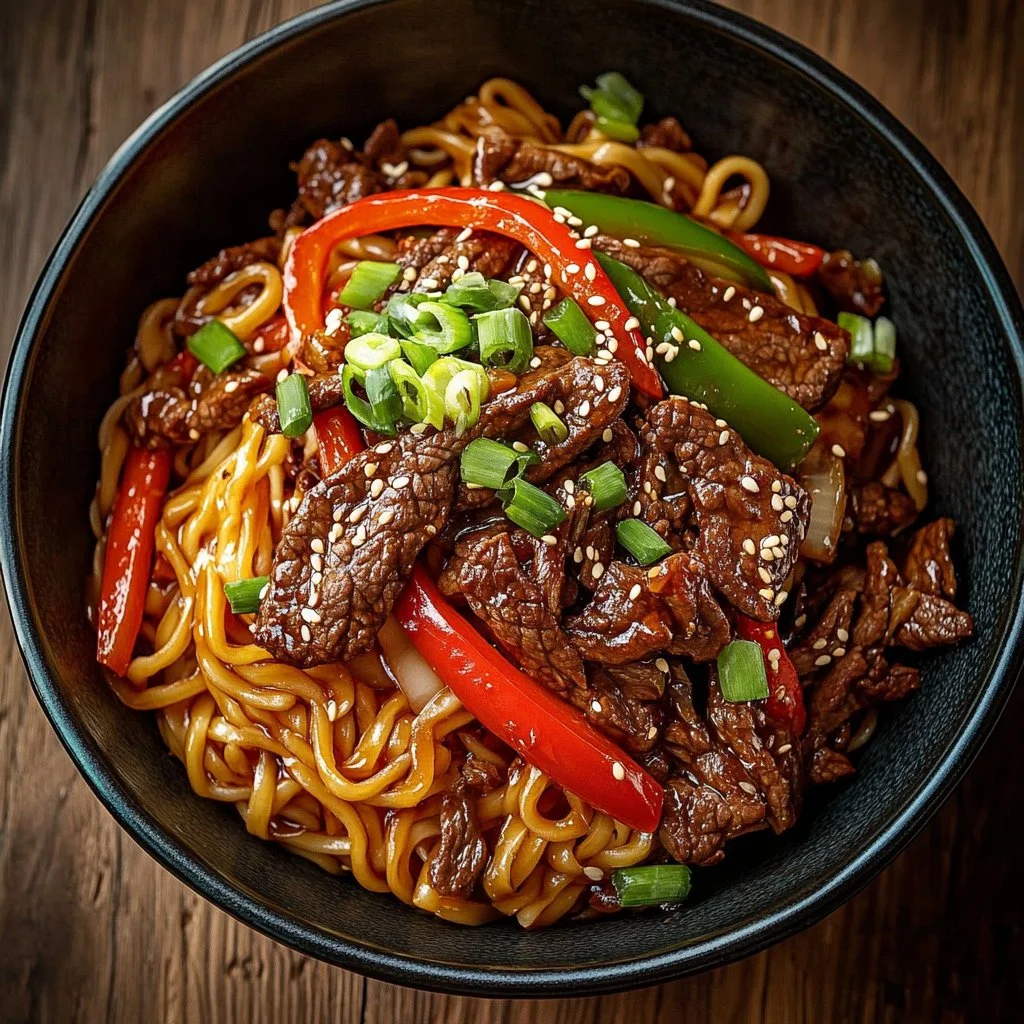
Spicy Korean Gochujang Beef Noodles is a vibrant and aromatic dish that tantalizes the taste buds with its bold flavors and comforting textures. This recipe combines tender slices of beef with chewy noodles, enveloped in a spicy-sweet sauce that showcases the unique heat of gochujang, a fermented Korean chili paste. The result is a dish that not only satisfies your hunger but also warms your soul, making it a perfect weeknight dinner option. In this blog post, you’ll find a step-by-step guide on how to recreate this delightful meal at home, making it an ideal recipe for both beginners and seasoned cooks.
Why You’ll Love This Recipe
One of the key reasons you’ll adore this recipe is its quick preparation time. With minimal ingredients and straightforward steps, you can whip up this flavorful dish in no time, perfect for busy nights or last-minute cravings. It’s family-friendly, meaning even picky eaters can delight in the savory blend of flavors. Whether you opt for dried or fresh ramen, this dish delivers the comforting familiarity of noodles complemented by spicy notes, making it a crowd-pleaser every time.
Ingredients for Spicy Korean Gochujang Beef Noodles
-
Beef: 8 oz (225g) beef sirloin or ribeye, thinly sliced. Tender cuts of beef enhance the dish, infusing each bite with rich flavor.
-
Noodles: 8 oz (225g) dried or fresh ramen noodles. The chewy texture of ramen creates a satisfying base for the dish.
-
Sauce: 2 tablespoons gochujang (Korean chili paste). This is the star ingredient that provides a deep, spicy flavor.
-
Soy sauce: 1 tablespoon adds umami richness.
-
Oils: 1 tablespoon each of sesame oil and vegetable oil for cooking, balancing flavors and enhancing the texture.
-
Aromatics: 3 cloves of minced garlic and 1-inch piece of grated ginger contribute a fragrant and zesty depth.
-
Vegetables: 1/2 onion (thinly sliced), 1 red bell pepper (thinly sliced), and 1 carrot (julienned) add both color and nutrition.
-
Toppings: 2 green onions (chopped) and 1 tablespoon sesame seeds for a delightful crunch.
-
Salt and pepper: to taste, rounding out the dish’s flavor.
Step-by-Step Directions for Spicy Korean Gochujang Beef Noodles
-
Cook the noodles: Begin by cooking the ramen noodles according to the package instructions. Once cooked, drain them and set aside, allowing the noodles to maintain their springy texture.
-
Marinate the beef: In a medium bowl, whisk together the gochujang, soy sauce, and sesame oil. Add the thinly sliced beef, ensuring each piece is coated in the marinade. Let it sit for at least 15 minutes to absorb the flavors.
-
Sauté aromatics: Heat the vegetable oil in a large pan or wok over medium-high heat. Add the minced garlic and grated ginger, stirring until fragrant, about 1 minute. This step will infuse the oil with their amazing aromas.
-
Cook the onion: Add the sliced onion to the pan, cooking until it turns translucent and slightly golden, approximately 3 minutes. The onions will sweeten as they caramelize, enhancing the overall flavor.
-
Cook the beef: Increase the heat and add the marinated beef to the pan. Stir frequently until it’s browned and cooked through, about 4 to 5 minutes. The visual appeal of the seared edges adds to the dish’s allure.
-
Add vegetables: Stir in the red bell pepper and carrot, cooking until just tender, roughly 2 to 3 minutes. The vibrant colors will brighten the dish and add essential nutrients.
-
Combine with noodles: Finally, add the cooked noodles to the pan, tossing everything together to ensure the noodles are coated evenly with the rich sauce and beef mixture.
-
Garnish and serve: Serve your Spicy Korean Gochujang Beef Noodles garnished with chopped green onions and sesame seeds for an extra pop of flavor and crunch.
Tips & Tricks
-
Marinate longer: For an even bolder flavor, consider marinating the beef for an hour or more in the refrigerator. This can help deepen the flavors as the beef soaks up the marinade.
-
Vegetable swaps: Feel free to mix in or substitute vegetables based on what’s in your fridge. Broccoli, snap peas, or zucchini can all work well in this dish.
-
Make it spicy: If you love heat, add extra gochujang or even sprinkle some red pepper flakes during cooking.
-
Protein variations: You can swap the beef for chicken, tofu, or shrimp if you prefer different proteins.
-
Meal prep: This dish is great for meal prep! Make a larger batch and keep leftovers in the fridge for a quick reheatable meal.
Serving Suggestions & Pairings
For a well-rounded meal, consider pairing your Spicy Korean Gochujang Beef Noodles with a side of Korean-style pickled vegetables (banchan) for an added crunch and tanginess. You can also serve a light salad with sesame dressing to balance the dish’s flavors. For those wanting a refreshing drink, iced green tea or a light fruit smoothie works beautifully alongside this delightful dish.
Nutritional Information
A serving of Spicy Korean Gochujang Beef Noodles contains an approximate calorie count of around 450, depending on the ingredients used and portion sizes. The dish is packed with protein from the beef and offers essential vitamins from the vegetables, making it a balanced meal option. However, be mindful of the sodium content if you’re watching your intake, especially from the soy sauce.
Storing Tips & Variations for Spicy Korean Gochujang Beef Noodles
Leftovers can be stored in an airtight container in the refrigerator for up to three days. When reheating, add a splash of water or broth to help rehydrate the noodles and prevent them from becoming dry. This dish can also be frozen for up to a month; just be sure to cool it completely before packing it into a freezer-safe container.
For healthier swaps, consider using whole wheat noodles or adding more vegetables to increase fiber content. You can also experiment with different types of sauces or flavor elements, such as adding a splash of lime juice or sesame seeds for added richness.
Conclusion for Spicy Korean Gochujang Beef Noodles
Now that you have the recipe and all the details to make Spicy Korean Gochujang Beef Noodles, it’s time to bring this hearty dish into your kitchen! The blend of sweet and spicy flavors, along with the delightful textures of beef and noodles, is sure to awaken your taste buds and make mealtime a festive occasion. Don’t hesitate—try this recipe today and enjoy a deliciously satisfying meal!
FAQs
Q1: Can I use another type of meat instead of beef?
Yes! Chicken, shrimp, or even tofu work great as alternatives. Adjust cooking times accordingly for different proteins.
Q2: Is gochujang spicy?
Gochujang has a moderate heat level but also brings a sweetness. If you’re worried about spice, start with less and adjust to your preference.
Q3: How do I store leftovers?
Store in an airtight container in the refrigerator for up to three days, or freeze for up to a month.
Q4: Can I make this dish vegetarian?
Absolutely! Replace beef with tofu or tempeh, and use vegetable broth instead of soy sauce for a vegetarian option.
Q5: What can I serve with these noodles?
Consider pairing with kimchi, Korean pickled vegetables, or a simple salad dressed in sesame oil for a complementing side.